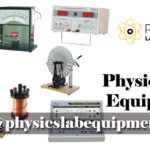
Educational laboratory equipment providers in Nigeria help students explore scientific curiosity through hands-on experiments. Their high-quality, safe equipment aligns with academic curriculums and helps expand students’ horizons beyond textbook knowledge.
Newer educational laboratory equipment offers teachers and students many benefits, including automatic shutoff systems and temperature controls that reduce accidents, save time on manual calibration processes, ensure accurate results, make maintenance simpler, and simplify maintenance.
Benefits
School children studying science subjects benefit greatly from having access to equipment like chemical reactors and beakers for use in practical laboratory experiences, helping them better comprehend scientific processes as well as complex topics. Such equipment encourages hands-on activities required in science education as well as encouraging practical laboratory experiences necessary for future relevance in today’s world.
High-quality math equipment significantly enhances the way mathematics is taught in schools in Africa. Accessories like probability kits allow teachers to employ an interactive approach when teaching, which benefits both teacher and students. Furthermore, such laboratory equipment allows students to practice their mathematical skills in a real world setting which enhances critical thinking abilities and analytical capabilities.
LSS Africa and Didactic Africa, two leading school physics laboratory equipment manufacturers in Nigeria, ensure their products comply with all essential quality standards and offer comprehensive after sales support through training, maintenance, repairs, etc. To keep the equipment functional and eliminate problems as efficiently as possible. Furthermore, their commitment to customer safety makes them invaluable partners when setting up labs in schools; plus they offer affordable prices and an array of products suitable for different requirements.
Safety
Laboratory equipment plays a pivotal role in both education and research. It allows students to expand beyond textbook knowledge through experiments and discoveries. But for safety and ease of use reasons, educational lab equipment suppliers make sure their devices use top quality materials and incorporate safety features, like auto shut-off systems, temperature controls and digital displays into each piece they create. Furthermore, they ensure all their products adhere to industry standards such as ISO, CE or FDA certifications.
Nigeria’s capacity to detect and respond to Mpox outbreaks depends heavily on its laboratory infrastructure. Unfortunately, Nigeria’s laboratories fall below global recommendations in their operation and remain inadequate despite improvements in molecular diagnostics like polymerase chain reaction and genome sequencing. Limited access to laboratory equipment as well as staff shortages hinder national efforts at identifying outbreaks, decentralized sample collection/testing/surveillance .
Nigeria’s current outbreak of Mpox highlights weaknesses in their laboratory infrastructure, including inadequate biosafety measures and lack of laboratory capacity. To strengthen this aspect, regional diagnostic hubs may be set up and local production of critical diagnostic reagents increased locally; additionally specialized training programs, incentives, and better working conditions should be offered to attract and retain medical laboratory scientists as they will transform Nigeria’s diagnostic landscape by providing faster detection and response times and strengthening overall health security.
Attracting youths towards STEM professions
Do your children love experimenting with new things or asking questions about how things work? These could be signs that they might have an interest in STEM (Science, Technology, Engineering and Math) fields – among the fastest-growing job paths and often offering twice the pay compared to traditional occupations.
One way to encourage youths in STEM careers is exposing them to real-life examples of people working in these fields – this can be accomplished with role models, mentors and other community leaders as examples of people in these professions. Furthermore, some STEM professional societies have programs which link STEM role models with young people so they have all of the support and expertise necessary for career success.
One way to engage youths in STEM fields is to encourage them to participate in activities and competitions that demonstrate their STEM abilities, such as science fairs or national STEM competitions. Such participation enables students to showcase their knowledge while meeting other like-minded individuals while building confidence and opening doors to future career paths.
As part of a comprehensive education, it’s crucial that youth have access to modern learning modalities and tools. One effective solution is partnerships between Boys & Girls Clubs and schools, where afterschool programs and summer camps provide youths the chance to explore STEM career options.
Affordability
Schools and universities invest in lab equipment to equip their students with practical science skills that will enable them to transition successfully into the workplace. Doing this allows them to build critical thinking abilities as well as practical problem-solving abilities, but finding genuine yet cost-effective equipment may not always be straightforward.
Apart from the risk of fake products, shipping fees, congested ports and high import duties can drive prices beyond budget. Furthermore, many suppliers do not provide comprehensive after-sales support – for instance a hospital in Port Harcourt purchased hematology analyzers from an uncertified supplier and found they lacked proper calibration instructions; as a result they spent additional money buying replacement machines.
Acquiring high-quality laboratory tools from an established manufacturer can save institutions substantial sums over time. Longer lasting equipment means reduced maintenance costs as well as less time spent dealing with mechanical issues that arise in their labs.
Civil engineering laboratory equipment manufacturers and supplier in Africa also supply educational laboratories, serving infrastructure projects as well. Their equipment such as fluid power trainers and mechatronics enables engineers to practice their ideas – this in turn improves education while increasing workforce quality locally.